
Line8 Journal
Common Misconceptions on Electrical Safety
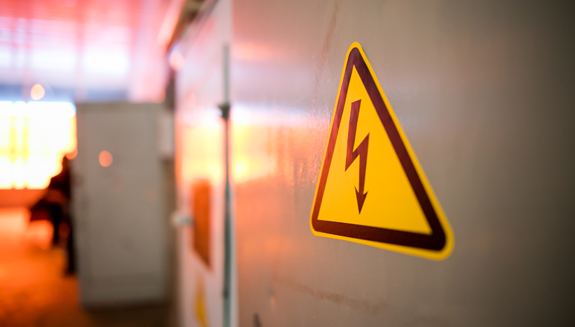
ELECTRICAL SAFETY SYSTEMS
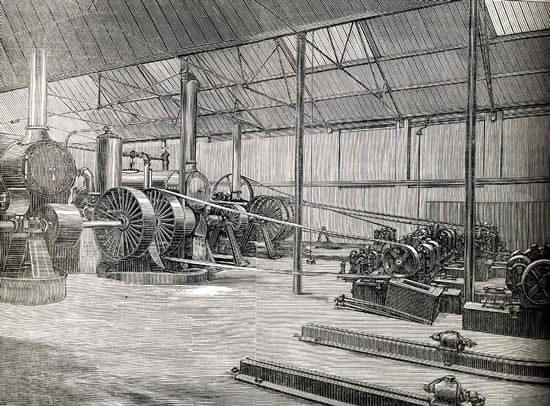
Our modern electrical safety system is a system that has evolved throughout the last 100 years, since the proliferation of electrical supply in homes. Each safety mechanism is human-kind learning from our mistakes. They are put in place to address an accident that caused damage or took human lives.
Fast forward to today, most of us take it for granted and do not understand how these systems work. And this same lack of understanding shrouds product designers of electrical appliances (power tracks included) today.
Lest we forget, every time we use an electrical appliance there are risks involved.
THE FORGOTTEN DB
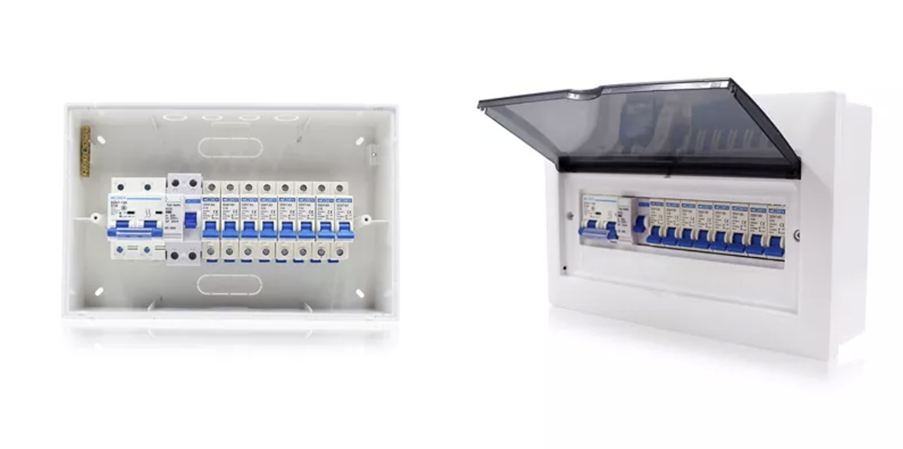
Most of us have seen something like this somewhere in our home. But I bet most of us do not know that this is what stands between us and certain death.
So, we all have this box in our homes, are we all certainly safe? Yes and no. You see, for this to work, the electrical appliances need to be fully compatible. So it depends on the design of the device; if it is compatible or not.
THE SAFETY SYSTEMS
There are 3 major safety systems we are looking at in most electrical systems
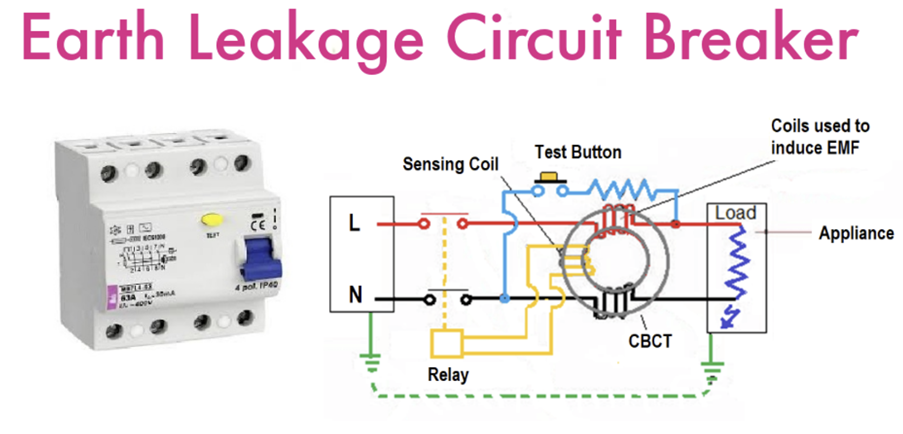
ELCB – To save the human from electrocution when an appliance fails
The ELCB (Earth Leakage Circuit Breaker) works by detecting the presence of fault currents from live to the earth (ground) wire. For this to work the appliance should have a grounded enclosure to ensure that electrical leakage to the part of the appliance that we handle is detected before it causes harm.
RCD - To save the human from electrocution when he/she accidentally gets into contact with the Live or Neutral electrical paths
The RCD (Residual Current Device) is an ingenious device that ensures that the incoming and outgoing current is balanced. Signifying that no human or pet has absorbed (redirected) any energy from the electrical system. Once an imbalance is detected, it might imply that someone has been electrocuted, and the system will immediately be shut off to prevent the continuous electrocution of the person which might save his/her life.
MCB – To make sure that the wiring is not overloaded which will cause an electrical fire
The MCB (Miniature Circuit Breaker) is a protection device which ensures that only a specified amount of electrical current is carried by the electrical cables. Electrical cables are non-intelligent and will not “call for help” when there is too much current flowing through. Eventually, the cables will overheat and start an electrical fire. So the MCB is there as the “brains” of the electrical wire and will signal for a shut-off when the cable is overloaded.
POWER TRACK DESIGN
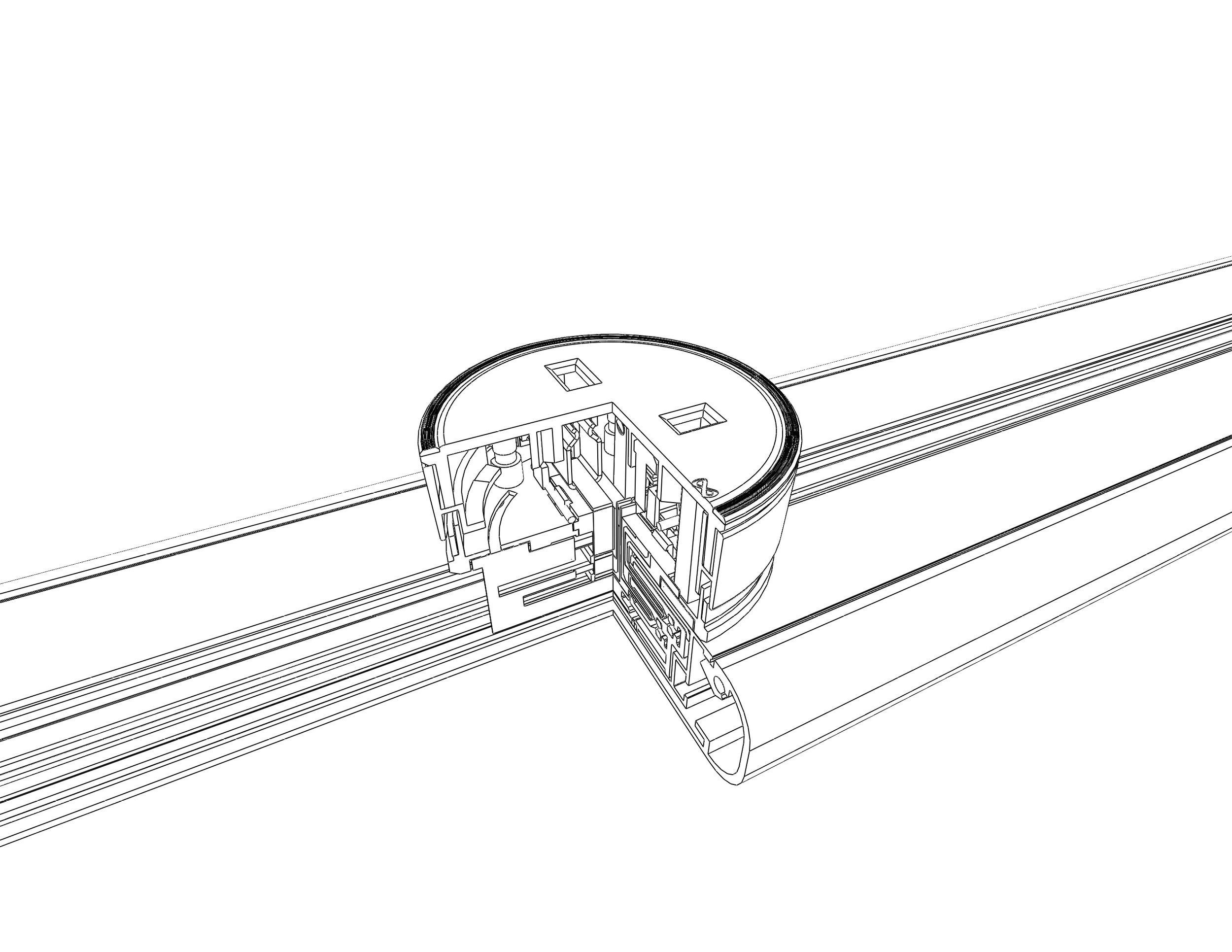
Power track systems are electrical distribution devices. It makes common sense that the design of the power track should be compatible with all the 3 above-mentioned safety systems right? Absolutely! However, did you know that more than 80% of power track brands are made in China and they are not compatible with one or more of the above safety systems?
To summarise, it is important that the power track system that you are considering is designed by a professional electrical engineer and not by a typical industrial or product designer. Designers are trained in art. Engineers are trained in physics and math.
Choose wisely, Line8 is the only product in the market designed fully by a professional electrical engineer.
https://wireworkscoinc.com/2016/07/when-was-electricity-widely-used/
https://www.nps.gov/edis/learn/kidsyouth/the-electric-light-system-phonograph-motion-pictures.htm#:~:text=In%201882%20Edison%20helped%20form,the%20U.S.%20have%20electric%20power.
https://en.wikipedia.org/wiki/Earth-leakage_circuit_breaker
https://www.electrical4u.com/working-principle-of-earth-leakage-circuit-breaker-elcb-voltage-current-elcb-rccb/
Line8, a locally founded R&D and Engineering Company develops and manufactures the Line8 Power Track System. Our products have proven to be innovative and aesthetically pleasing in many of our customer's homes locally and overseas.
Learn more at : www.line8.com.sg
Curious which brands actually meet these safety standards? Our complete 2025 Power Track Buyer’s Guide compares certifications, grounding, and engineering across the major brands in the market.
Frequently Asked Questions
What are the three main electrical safety systems protecting a home?
ELCB (Earth Leakage Circuit Breaker) protects against electrocution when an appliance fails, by detecting fault current leaking to earth. RCD (Residual Current Device) protects against electrocution from accidental contact with live or neutral paths, by detecting an imbalance between incoming and outgoing current. MCB (Miniature Circuit Breaker) prevents electrical fires by cutting power when wiring is overloaded.
How does an ELCB actually protect someone from electrocution?
An ELCB detects fault current leaking from the live wire to the earth (ground) wire. For it to work, the appliance needs a properly grounded enclosure, so that any electrical leakage into the parts a person actually touches is detected and cut off before it causes harm.
Why does a power track's own design matter for these safety systems?
A power track is itself an electrical distribution device, so it needs to be compatible with ELCB, RCD, and MCB protection to actually benefit from them. Compatibility depends on engineering decisions made at the design stage — grounding, conductor layout, and connection integrity — which is why the system should be designed by a professional electrical engineer rather than an industrial or product designer alone.
Ready to see it in your own space?
Now choose your track →